

If you hear a strange squeal from under the hood while driving, it might point to one of the signs your car belts need replacement. These components ensure that a large number of systems in your car are functioning properly and identify problems at an early stage, preventing significant repair expenses in the future.
What Car Belts Do in Your Vehicle
The Car belts are rubber belts that hold the various engine parts together. These are used to operate systems such as the air conditioner, power steering, and the one that recharges the battery. Your car would not be much without them. With time, they become worn out due to heat, dirt, and use. That is why it is essential to learn the signs that indicate your car’s belts need to be replaced. Check-ups will maintain a smooth ride on your drive.
Consider the way belts transfer power to other locations. When one breaks, you can break your car cold. We experience this in Patel Auto Service Centre and ensure that we fix it before it becomes bad.
Different Kinds of Car Belts
A typical car has a number of belts. The timing belt ensures the engine components are connected to move together. It connects the bottom and the top of the engine. Next comes the serpentine belt, which is a single long belt that carries a few items, such as the fan and pumps. Other older vehicles may have distinct belts on everything, such as a fan belt or an alternator belt.
Each of the types has its job; however, they all exhibit the same signs when they wear out. Knowing their existence will make you notice when you notice that your car belts need replacement.
Key Signs That Show Car Belts Need Replacement
Listen to what your automobile is saying. Minor hints are major issues when overlooked. Here are some main signs.
Noises Coming from the Engine
One clear sign is odd sounds. When it is a high squeal or chirp, the belt is likely to have cracks or to slip. This occurs more upon starting the car or accelerating. In the case of the timing belt, you may hear a tick or click. Such sounds progressively increase. When you hear them, then it is time to see whether you have warning signs that your car belts should be changed.
Sometimes the sound is produced by loose sections or dirt; however, in many cases, it is the belt. Get it checked as an early matter.
Problems with Starting or Running the Car
In case the car is shaking or not starting, it may be because of a belt fault. An old timing belt may cause the engine to misfire, i.e., it is jerking or lacks power. A bad serpentine belt may cause difficulty in steering or may prevent the air conditioner from working.
Another clue is rough running in a certain speed range, such as 2,000 to 4,000 RPM. All these are indications that your car belts have become defective, and it may cause the car to stall.
Warning Lights on the Dashboard
Your car’s lights can warn you. The battery light could go on in case the alternator belt breaks, as it cannot charge properly. Or the engine light concerning other belt issues. Overheating indications are attached to belts that power the cooling fan or water pump.
Neglect to take these lights into account, and you will cause greater damage. They usually say that it is time to seek some indications that your car’s belts should be changed.
Visible Damage on the Belts
Pop the hood and take a look. Wear occurs in the form of cracks, frayed edges, or spots of shine. Lacking fragments or teeth on the timing belt is an unfavorable sign. Any oil spill around the belts accelerates the damage, because oil decomposes rubber.
If you see these, act fast. Another good indicator that your car belts should be replaced is visible wear.
Overheating or Other System Failures
In case the engine becomes excessively hot, inspect the belts. They operate the fan and the water pump. A broken belt is capable of halting cooling, causing overheating. Other indicators are stiff power steering or air conditioning that blows hot air.
The exhaust smoke or strange smells can also be traced to the problem with the belt, as it causes the engine to strain more. These are the major indicators that you should have your car belts replaced.
How Often to Check and Replace Car Belts
The majority of makers recommend that the timing belt should be changed every 60,000 to 100,000 kilometers. Crack serpentine belts may last as long as 150,000 kilometers and more; however, inspect them at every service. Age is also an issue; though the cars may be of low mileage, their belts require replacement after 5-10 years.
They wear faster in places such as Australia where hot weather exists. Use your book in your car. Periodic inspections will allow you to notice indicators that your car belts should be replaced in time.
Simple Ways to Look at Your Car Belts at Home
You yourself may make a rapid examination. Switch the car off and open the hood. Locate the belts and search them out in terms of cracks or wear. Hear sounds when an engine is running. Test the tension of the belt; it must not be very loose.
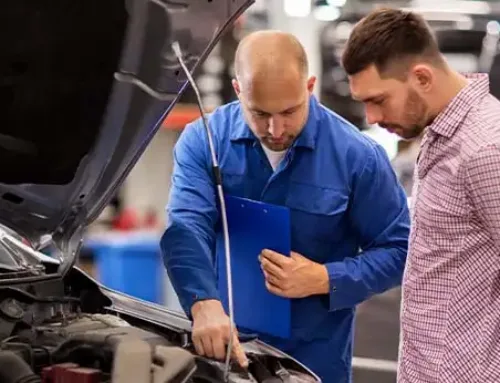
However, to have it checked thoroughly, take it into the hands of professionals such as us at Patel Auto Service Centre. We possess the means of looking deeper.
What Can Happen If You Wait Too Long
Even a broken belt will destroy the engine. In the case of timing belts, they may bend over the valves or may harm pistons, which would cost thousands in repair. A failure of serpentine belts can leave you without power steering or charging, and can leave you stranded.
It is all about safety; it is dangerous to stop on the road. The early symptoms of needing to replace your car belts save you these headaches.
If you’re also noticing related issues like a battery that drains fast, flickering lights, or other electrical glitches, these can sometimes tie into belt problems, see our The Top 10 Most Common Car Problems guide for a quick overview of frequent issues to help you spot and fix them early.
Ways to Help Your Car Belts Last Longer
Keep up with services. Wipe the engine space to reduce dirt. Do not drive hard, straining belts. Look to see whether any leaks can harm it.
Only good parts should be used in replacement. We do checks at Patel Auto Service Centre, and they include belts and hoses, under the general auto services.
Why Come to Patel Auto Service Centre for Help
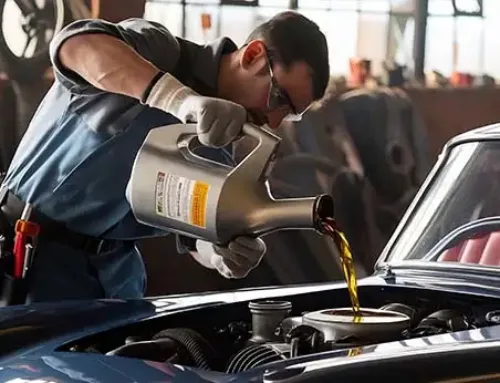
We know cars inside out. Our team provides transparent prices and instant updates. We deal with the replacement of belts among our safety and tire services, and simple oil services.
We are based in Australia and ensure that your car is reliable. We can be trusted to do quality work at reasonable prices.
Keep Your Belts in Check
Identifying indications that your car belts need to be replaced has your car operating efficiently and in a secure manner. These hints will make you take action before it gets out of hand. It is better to give regular care in the long run.
Ready to check your belts? Contact Patel Auto Service Centre today for a full look-over. We are here to help with all your car needs, from electrical to cooling systems.
FAQs
- What are the main signs your car belts need replacement?
Squealing/chirping sounds, difficulty in starting, rough running, observable cracks/fraying, dashboard warning, overheating, power steering/AC failure.
- How often should you check or replace car belts?
Check all services (oil change); change timing belts once every 60,000-100,000 km or 5-10 years, serpentine up to 150,000 km–hot weather is a quicker ageing agent.
- What happens if you ignore worn car belts?
Failure of timing belts may yank internals (bent valves/pistons) into place; serpentine failure prevents charging, cooling, steering – can cause breakdowns or expensive repairs.
- How can I check belts at home?
Hood, find cracks/fraying/ shiny places, tension (no excusable sag), running squeals, and oil contamination.
- Why choose professional belt service?
These tools help experts to identify the hidden problems, replace them with quality parts correctly, and address the associated systems (tensioners/pulley) – prevents failures and cost savings in the long run.




Leave A Comment