
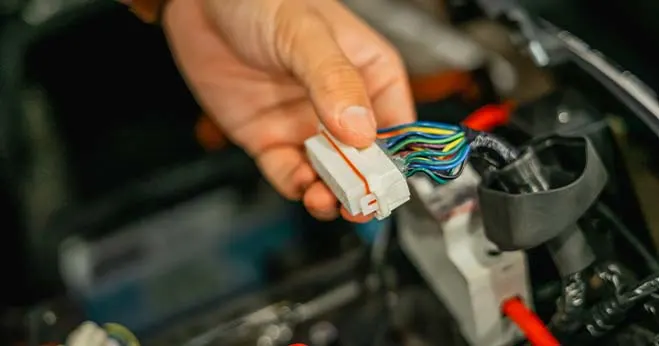
Why Pay Attention to Electrical Signs in Your Car
Symptoms of electrical problems or wiring in your car may not be very noticeable. Picture this: you get home after a good, hard-working day, start your car, and the key does not turn. Or perhaps your headlights begin to fail as night falls on you. These little indications are allusions to larger issues behind the scenes. Not paying attention to them may cause you to be stuck on the side of the road or incur an expensive repair later.
Everything in cars is almost electric, from the engine to playing the radio. In the event of a failure in the wires or electrical components, it has an impact on the entire functioning of the vehicle. These problems are frequent in Patel Auto Service Centre, and we are aware of how to identify them in their early stages. This blog will make you realize the primary signs, what can be the cause, and what to do further. Read on to be safe and maintain a well-running car.
Dim or Flickering Lights as a Warning
The lights behave strangely, and this is one of the sure indicators that your car is having electrical or wiring problems. Dark headlights when you pull up at a stoplight or flicker when you are driving are usually a bad sign. This is because the supply of power is not constant. It may be due to the poor battery or a faulty alternator that powers it.
The same can be achieved by interior lights. In case you switch on the air conditioning and the dashboard becomes dimmer, inspect the connections. Corroded places or loose wires are a hindrance to electric current. This is also caused by bad grounds, in some instances, whereby the wire is connected to the frame of the car.
Watch for patterns. Does it occur more at low speeds? That indicates the non- keeping pace of the alternator. Repair it fast before one gets caught in the dark. Easy troubleshooting measures, such as tightening battery terminals, may be effective; however, more serious issues require the attention of a mechanic.
Trouble Starting the Engine
When your car does not start, it may indicate electrical or wiring defects. When you turn the key, you hear a clicking sound, and the engine does not start. This most of the time implies that there is no power in the battery or that the starter is not receiving sufficient power.
In other cases, the engine starts slowly as though it is fatigued. Power wires between the battery and the starter might be frayed or torn. The corrosion of the terminals erodes the connection, and the passage of electricity becomes difficult.
In other instances, nothing takes place at all, no clicks, no lights. An empty battery is typical, whereas incorrect ignition switches or defective wiring in the starting system can result in it as well. Check the battery using a voltmeter. In case it is good, examine the wires to check whether they are damaged. These surprises are circumvented by regular checks.
Battery That Drains Quickly
The other important indication that your car has electrical or wiring problems is a battery that dies overnight. You leave the car parked well, but when you get up the following morning, the car does not start. When the engine is not on, power is being pulled.
Ordinary offenders include lights kept on, but it is usually in the closet. The wires are shorted, and the battery is emptied. Or a malfunctioning component, such as the alternator, does not replenish it on the drives.
Draw a check by disconnecting the battery and checking with a multimeter. When it indicates current flowing, trace the circuit. Our staff at Patel Auto Service Centre identifies these leaks within a short time using tools.
For more practical at-home steps to test and troubleshoot battery drain, see our Car Battery Draining Fast? Electrical Faults You Should Check First guide to pinpoint the issue quickly and safely.
Burning Smells or Smoke from Wires
There is nothing more terrifying than the scent of something that is burning in your car. Or, when it resembles melting plastic or rubber, then there is a chance that it is overheating wires. This is a severe indicator that your car has electrical problems or a wiring problem.
The high resistance will cause heat to build up in bad connections or shorts. Smoke could be a result of the dash or the engine bay. Pull over and get out of the car to prevent a fire.
Reasons are the aging of old wires, which crack at some point, or rodents that chew them all. Look at exposed wires and check them to see whether there are any black marks or melted spots. The professional assistance is, in this case, important- do not poke around when you are not certain.
Accessories That Work On and Off
Problems are also likely to occur in wiring when power windows and locks become stuck, as well as when the radio cuts in or out. These accessories require constant power, and a sporadic fault indicates loose connections or a break in the lines.
Flexibility of wires in doors and trunks makes them wear out. Look over the bundles where they twist. Signal interruption may also occur due to corrosion in plugs.
Test the wiggle accessory with wires. When it sparkles, you have the place. Repair could involve soldering or change of parts. These are some of the repairs we do at Patel Auto Service Centre to ensure that things are back to working order.
Dashboard Lights Staying On
When the dashboard warning lights do not go off, it is usually an indication of electrical glitches. The battery or the check engine light may remain on because of sensor problems or wiring problems.
The sensors transmit the signals using wires, and in case they get damaged, false alerts occur. This can be caused by ground wires that are loosening.
Check what the computer says by using a code reader. It could be easy to repair, such as tightening a connection. Harder circuiting issues require tracking the circuit. And never disregard these lights, they are omens of greater things.
How to Check for Wiring Problems at Home
Checks that are of a basic nature can be made by yourself. Begin with the battery – brush off with a baking soda mix. Tighten all clamps.
Check underneath the hood for frayed wires or loose plugs. A flashlight is used to check dark areas. A multimeter is used to check voltage and continuity of circuits.
In the case of fuses, withdraw and make sure the metal strip is cut. Insert the appropriate amp rating. In case you are not comfortable, call a pro. Safety comes first.
Ways to Avoid Future Issues
Maintain your vehicle by keeping it out of trouble. Repair the electrical system during services. Wipe battery posts after every couple of months.
Parking in the garage to avoid the weather and pests. Do not squeeze in more extras before increasing the alternator. Use quality parts as substitutes.
Wear reduces vibration from light driving. These are the steps that will ensure that your car lasts longer without any unexpected failures.
Your Car’s Electrical Health Matters
Indications that your car has electrical or wiring problems include low-light bulbs, too-difficult starting, among others. Early identification ensures that minor issues do not become huge. Periodic scrutiny and timely response count.
Keep in mind that there is no electrical system in your car that can be messed with. Get it checked immediately in case you observe any of the above. At Patel Auto Service Centre, we’re here to help with fair prices and real updates on your car’s needs. Contact us today for a check-up and drive with peace of mind.
FAQs
- What are the most common signs of electrical or wiring issues in a car?
Dim/ flickering lights, difficulty starting, short battery life, smouldering smoke/smells, faulty accessories, or lights remaining on the dashboard.
- Why do dim or flickering lights happen?
Typically, a weak battery, a faulty alternator, loose wires, or faulty grounds in the power supply become erratic.
- What does a burning smell or smoke indicate?
High resistance overheating of wires, shorts, damaged connections–do not allow further driving, or risk fire.
- How can I check for basic electrical problems at home?
Clean battery contacts, fasten, check exposed wires visibly (breakage/fraying), and test with a multimeter for voltage/continuity.
- When should I get professional help for car electrical issues?
When lights are flickering, the battery is running down, accessories are not working, or you are smelling burning, then experts safely trace the circuits and eliminate root causes.




Leave A Comment