


Why Does My Car’s Air Conditioning Smell? Causes & Fixes
Air Conditioning15 May 2026
Rarely do we come across something more refreshing than the feeling of switching on the climate control in our vehicles when summer hits hard. However, this pleasant feeling becomes incredibly annoying once it is joined by a old, musty, or…
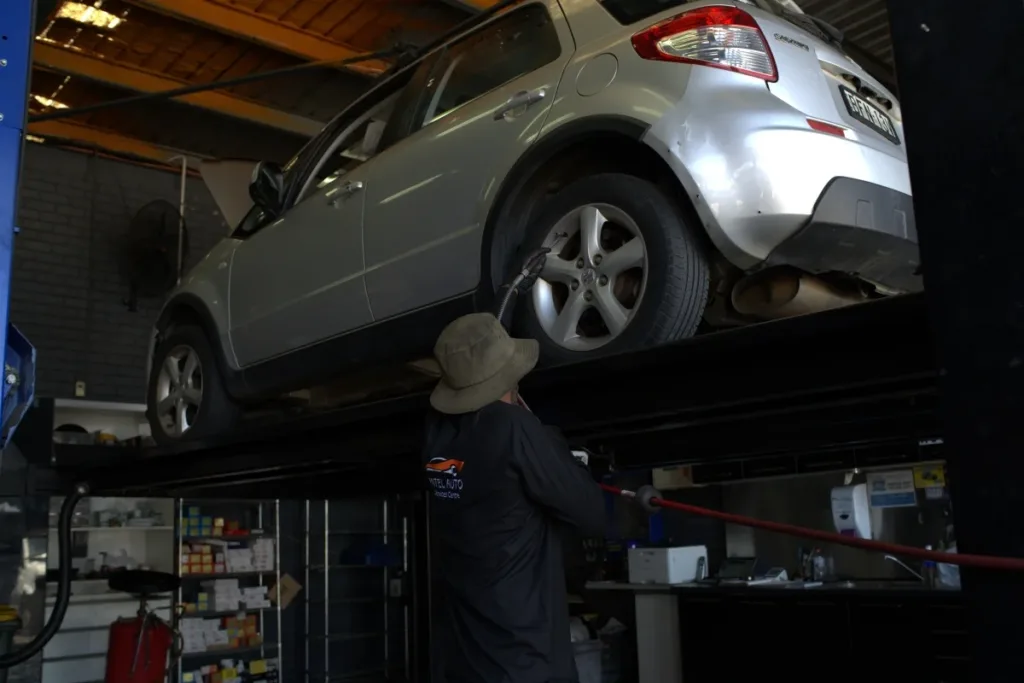
Rarely do we come across something more refreshing than the feeling of switching on the climate control in our vehicles when summer hits hard. However, this pleasant feeling becomes incredibly annoying once it is joined by a old, musty, or chemical odor. Have you ever asked yourself, “why does my ac in car smell?” You are certainly not alone in asking this question.
That awful bad smell coming out of your vents is no laughing matter. When your car ac smells, it is often indicating something specific is wrong with your vehicle that needs immediate fixing. Whether you are dealing with a mild irritation or a smell so bad you have to roll the windows down, resolving the issue starts with understanding the root cause.
In this complete guide, we will examine the major reasons behind smelly air conditioners, decode what specific odors mean, and provide the proper, practical solutions for each problem.
1. Why Is There a Smell in My Car AC? Main Reasons
In order to determine what is causing the bad smell and answer the question “why does my car air conditioning smell?“, it is highly important to understand how the whole cooling process works. Car air conditioners operate by collecting hot air, cooling down that air through extremely cold parts of the system called the evaporator core, and pushing that chilled air into the cabin.
Moisture and Mold Development
The most obvious reason why you may be wondering, “why does my ac smell in my car?” is the development of mold, mildew, and bacteria. The evaporator core is located in a small, cramped area behind your dashboard that is always hidden from view, which means it sits in total darkness.
When your AC cools the warm air, it naturally pulls moisture out of that air, creating condensation on the evaporator core. Turning off your engine traps that moisture in the dark, warm dashboard environment. This creates the perfect raising ground for bacteria and fungi to thrive. As they multiply, they create bad smells that get blasted directly into your face the next time you turn the key.
Clogged Drain Pipes
This condensed water needs somewhere to go, which is exactly why there is a selected drain pipe for the AC. This small rubber tube allows the water to leave the vehicle harmlessly. This is why you always see a small puddle of water dripping out from underneath your car while it sits parked on a hot day.
However, once this pipe becomes clogged with mud, road grime, or leaves, the water has absolutely no other place to go. It remains trapped inside the AC housing, creating a inactive, muddy environment. If you are asking “why does the air conditioner in my car stink?“, a backed-up drain tube is a very frequent offender.
2. Common AC Odors and What They Mean
It is entirely possible for you to narrow down the exact cause of your problem just by paying attention to the specific type of odor. If you are constantly wondering, “why does my car air conditioner smell?“, consider the following scent profiles as a troubleshooting guideline:
The Dirty Socks Odor
Should you observe that your air conditioner smells car vents like an old basement filled with water, or like a gym bag full of dirty socks, then chances are that mold or mildew has grown on your evaporator core. This problem is reported more often than any other issue regarding climate control units in vehicles.
The Sweet Odor
If your air conditioning smell car vents resemble syrup or a strangely sweet, fruity odor, then it is highly probable that you have a coolant leak originating from your heater core. It should be noted that ethylene glycol, a major ingredient in most engine coolants, has a noticeable sweet odor. However, this substance is highly toxic to humans and should not be inhaled. If you smell this, get your car inspected immediately.
The Vinegar Smell
Should your car have an odor like white vinegar, the problem can either be a specific strain of mold or organic breakdown (like dead leaves or insects) trapped within the system. Occasionally, a failing battery can emit a strong, acidic smell through the vents, though a bad battery is more frequently compared to the smell of rotten eggs or chemical element.
Smell of Burning
A smell of burning rubber, burning plastic, or electrical smoke usually results from a mechanical or electrical problem. It could mean that the AC compressor clutch is about to fail, there might be an electrical fault in the wiring, or maybe you have a slipping accessory drive belt. If your AC is giving out any kind of burning smell, turn the system off and seek expert assistance right away.
Gasoline Smell
When you turn the climate control on, and it starts to give out a heavy smell of gasoline, there must be a fuel leak somewhere in the engine bay. In this scenario, the raw gas from the gasoline are being sucked directly by the fresh air intake into the cabin. This is a severe fire risk and health risk.
3. The Role of the Cabin Air Filter
In the process of finding out exactly “why does my car ac smell?“, it is always a smart move to start your search with the simplest component: the cabin air filter.
What Is Its Purpose?
The cabin air filter acts as a physical barrier between dust, pollen, exhaust vapours, and many other airborne particles, preventing them from making their way into the car’s interior. Over time, the pleated paper or fabric of the filter tends to collect numerous impurities such as dirt, dead insects, dry leaves, and even damp moisture from rainy days.
Main Odor Cause
The use of a dirty, heavily clogged cabin filter is among the top reasons for a bad smell in your system. As fresh air attempts to push through a wet, contaminated cabin filter, it gets filled with these unpleasant odors and spreads them all over the passenger compartment. When the air conditioner in car smell, this filter is usually the first suspect.
Regularly Scheduled Maintenance
The replacement of the cabin air filter is a very simple maintenance procedure that needs to be done every 15,000 to 30,000 kilometers (or roughly once per year), depending on your driving conditions. If you frequently drive on dirt roads or park under heavy tree cover, you will need to replace it more often.
4. How Your Driving Habits Affect AC Odors
Surprisingly, how you operate your vehicle on a daily basis may be a major factor in why the air conditioning stinks in car cabins.
AC System Set On Recirculate Mode
Pressing the “recirculate” button (the button with a U-turn arrow inside a car icon) is an effective method of fast cooling because the system will keep chilling the air that is already circulating inside the vehicle instead of sucking hot, humid air from the outside. Unfortunately, keeping your car constantly in the recirculate mode means that there will never be any fresh air entering the system. This traps moisture inside and leads straight to a stale, foul odor.
Regular Short Drives
In case you regularly travel very short distances—like a five-minute drive to the grocery store—the moisture that gathers around the cold evaporator core will not have enough time to completely dry up before you shut off your engine. Thus, the core remains always wet, creating a highly favorable environment for fungi reproduction.
The “Drying Up” Method
Here is a simple trick to get around the moisture problem. Switch off the AC compressor a few minutes before arriving at your destination by pressing the button with the snowflake or “A/C” icon, while keeping the fan operating at its maximum speed. This pulls warmer outside air over the evaporator core, blowing off the condensation and allowing it to dry out before you park for the night.
5. Step-by-Step Guide: How to Get Rid of Car AC Smells
When you have only a mild musty odor in the car, there are some simple, practical things you can do by yourself to freshen up the system.
Step 1: Replace Cabin Air Filter
As was noted above, always begin with the easiest step.
Find where your cabin air filter is located. In most modern vehicles, it sits directly behind the sunglasses. Unclip the housing, pull the old, dirty filter out, and replace it with a fresh new one. This alone solves the problem for many drivers.
Step 2: Check Your Drain Tube
If you have the opportunity to safely look under the vehicle, find your AC drain tube (usually a small rubber hose extending from the firewall on the passenger side) and make sure that it is not clogged. If you see dirt blocking it, you can gently probe it with a zip-tie or a piece of wire to get the trapped, still water out.
Step 3: Use Special AC Disinfectant Spray
There are many dedicated AC odor removes and foaming cleaners available in automotive shops. For such products to work, you need to switch your fan on and put it in the maximum speed position.
In addition, verify that the “recirculate” feature is turned off so the system pulls in air from outside. Then, spray the product directly into the exterior air intake vents (they can be found right below the windshield wipers on the outside of your car). The system will suck the cleaner inside, neutralizing the bacteria on the evaporator.
Step 4: Turn On the Heater
As a follow-up to the treatment process or simply as a protective step on a dry day, turn on the heater to its absolute maximum setting for about 10 to 15 minutes, keeping your car’s windows open. The extreme high temperature is incredibly useful for baking out any remaining moisture and killing off heat-sensitive bacteria.
6. When to Seek Professional Help
While DIY solutions are perfect for dealing with minor odors, there will certainly be cases when it is necessary to go to the professionals.
Consistent Musty Odor
In the case where you have changed the filter and sprayed the intake with disinfectants, but the car air con smells remain exactly the same, the mold growth in the evaporator core might have progressed past the point where a simple surface treatment works. In this scenario, a professional mechanic may have to physically access or remove the evaporator core in order to clean it manually.
Sweet, Burning, or Gas Smells
As mentioned before, in the case where you smell a sweet odor (coolant leak), a burnt rubber or plastic odor (electrical/mechanical failure), or the smell of raw gas coming from the vents, it means that there is a severe safety problem with your vehicle. Do not attempt to mask these smells with air fresheners; they require immediate attention from a qualified technician.
No Cool Air
If your AC smells bad and also totally fails to deliver cool air to the cabin, it means that there is a larger mechanical problem with your system, such as a reduced air conditioners charge, a massive leak, or a broken compressor.
7. Finding Expert Service at Patel Auto Service
Your car needs regular maintenance, and you must stay mindful of its condition to keep everything working correctly, including the climate control system. Overlooking the problem of a bad smell could easily become a much more expensive mechanical issue in the future.
When you have an ongoing problem with a funky odor coming from your vents, or if you find yourself asking “why does the air conditioning in my car smell” every time you start the engine, then you need to contact professionals immediately. At Patel Auto Service, we will give your vehicle a complete diagnosis and perform the required fixes to keep your car in top condition.
For further information regarding your climate control systems, see our dedicated Cooling & Air Conditioning service page for all the solutions to your problem. Our trained specialists have access to the proper tools and knowledge to diagnose your issue, clean your climate controls thoroughly, and make sure everything gets repaired safely and effectively.
8. Frequently Asked Questions (FAQ)
Can a bad AC smell make you ill?
Yes, in some instances, it absolutely can. The bacteria, mold spores, and fungi carried through the air conditioning vents can heavily irritate your breathing system. This is especially true if you suffer from asthma, seasonal allergies, or have a compromised immune system.
How expensive is it to fix a bad AC smell?
It entirely depends on what is actually causing the issue. For instance, if the odor comes from a dirty, clogged cabin filter, you only need to replace the filter yourself, which might cost between $20 and $50 for the part. If you have your air conditioner professionally sanitized and cleaned by a mechanic, it can cost between $100 and $300. When the odor emanates from chemical leaks or broken parts like a heater core, expect the repair bill to be significantly higher.
Will running the heater reduce the smell?
Yes, it will definitely help if you crank up the heater to the maximum setting and let it run for ten to fifteen minutes with the windows down. It will help evaporate and reduce the standing moisture in the evaporator core, which strips away the damp environment that mold and bacteria need to grow.
What is the frequency for cabin air filter replacement?
Typically, the replacement interval of the cabin air filter ranges between 15,000 to 30,000 kilometers, or at least annually. In cases where you may experience decreased airflow from the vents, hear loud whistling noises from the fan, or notice bad smells returning, you should inspect and replace your cabin air filter much sooner.