
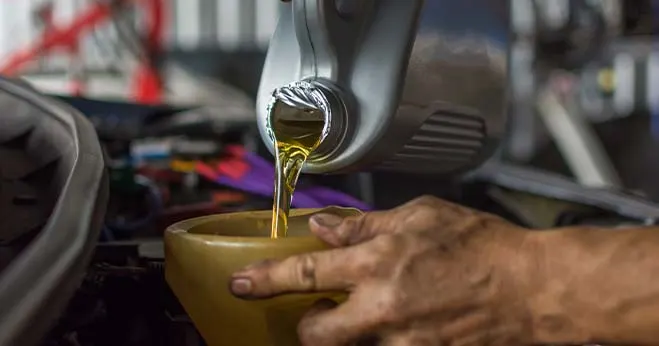
Why Regular Engine Oil Changes Matter
The motor of your car labours day in, day out. It requires pure oil to operate. In its absence, components may become worn out very quickly. We get a lot of cars in the Patel Auto Service Centre, with problems with old oil. Even a basic oil change in the engine will save huge issues.
This guide will allow you to know the time that you can take between changes. Let’s start with the basics.
Oil lubricates engine parts that are in motion without unnecessary friction. After some time, it accumulates dirt and decays. Waiting too long will result in either overheating or seizing of the engine. Everything is well-maintained through constant changes. This is more so in Australia, where we drive long distances in hot weather.
What Happens Inside Your Engine
Imagine your engine is a machine. This is because the pistons travel thousands of times per minute. These parts are lubricated with oil to ensure that they do not grind. It also cools the engine by heat dissipation.
Oil picks up small metal particles, dust, and fuel residue on the road as you drive. These accumulate and thicken the oil and render it useless. That is why it is important to change engine oil. It eliminates the old one and replenishes it with new oil. This improves the life span and performance of your car.
Common Intervals for Oil Changes
A majority of the car manufacturers recommend providing oil every 10,000 to 15,000 kilometers. This describes a large number of drivers in Australia. However, it is a matter of your car and its usage. Elderly cars may require it earlier in the range of 5,000-8,000 kilometers.
Exact advice is found in the owner’s operating manual. It provides the most excellent timetable for your model. Other brand new cars come with sensors to remind you when it is high time. As an example, when you drive mostly on highways, you can make it 15,000 kilometers. Driving in the city with numerous stops implies shorter periods.
For a deeper breakdown of modern recommendations, factors to consider, and why intervals have increased beyond old myths, check out our detailed guide: How Often Should You Change Your Engine Oil.
Factors That Affect How Often You Need an Oil Change
There are a number of factors that determine the time of an engine oil change. Car driving behavior is significant. The short journeys do not allow the engine to warm up completely, and this may lead to moisture accumulation in the oil.
Oil decomposes faster in hot areas such as Sydney or Brisbane. Dusty roads add more dirt. When you have heavy loads, the engine will work more; hence, the oil will tire out quickly.
Your car’s age matters too. Newer models with superior technology can be changed with less frequency. These points should always be taken into consideration in order to select the appropriate time.
Types of Engine Oil and Their Impact
Not all oils are the same. Traditional oil is simplistic and inexpensive. It is used in older cars but should be changed more frequently, between 5,000 and 8, 000 kilometers.
Synthetic oil lasts longer. It is designed to be used in hot climates. It can be easily traveled by 10,000-15,000 kilometers. The majority of modern vehicles employ synthetic materials to enhance protection.
Semi-synthetic is a mix. It is affordable for daily driving. Select a type that fits your car. What to use will be said in the manual. In the Patel Auto Service centre, we have every type to offer.
How to Check Your Oil Level at Home
It’s easy to check your oil. Pull over into level ground and switch off the engine. Allow some minutes before the oil settles.
Locate the dipstick within the hood. Take it out, wipe it, and replace it. Take it out to observe the level. It must be within the min and max marks.
If it’s low, add a little oil. However, when it’s dirty, then get an engine oil change in the offing. Check monthly to be on the safe side.
When to Get Professional Help for Oil Changes
At times, it pays to leave it to the specialists. They possess the right tools and knowledge. In addition, they also inspect other areas during the service.
At Patel Auto Service Centre, we provide basic oil service checks. We examine belts, hoses, and so forth. This prevents minor problems at an early stage.
Change among professionals is fast and neat. No mess in your driveway. We maintain quality parts to ensure that your car stays on the road.
Myths About Engine Oil Changes
They claim that oil is supposed to be changed after every 5,000 kilometers. But that’s old advice. The current generation of cars and oil permits increased distance.
The other myth is that change is now always represented by dark oil. Other oils become dark very quickly; however, they remain useful.
There is no need to replace the filter every time; however, it is a clever thing to do. Leave the myths behind and your guide to real facts.
What If You Don’t Drive Much
A few miles does not imply avoiding changes. Even when it is lying in the engine, oil can spoil. Anyway, change it after every 6 to 12 months.
Driving is not generated due to the accumulation of moisture and acids. This harms the engine. On cars that are stored, the old, empty oil then starts again.
In case your car spends a lot of time, such as working at home, then place a reminder in your calendar. Changes over time make things new.
Oil Changes in Hot Weather Conditions
Australia’s heat affects oil. Hot weather causes it to be thinner and less effective. During the summer, when the engine oil is likely to cause more problems, changing engine oil may be required more regularly.
Monitor the gauge for overheating. Apply oil that is specified for a hot climate. It is more stress-resistant.
Check the level after long, hot drives. Heat evaporates oil faster. Keep moving so as to prevent collapses.
Benefits of Staying on Top of Maintenance
Frequent maintenance is cost-effective in the long run. It stops big repairs. Your vehicle is more efficient in running and consuming less fuel.
Safety improves too. An engine that has been well oiled will react better. And even it is valuable in case of selling.
In Patel Auto Service Centre, we provide complete services such as suspension check and tyre safety. Combine them with your oil change and be completely taken care of.
Stay Ahead of Engine Trouble
Changing of engine oil is not complicated but critical. Keep to 10,000 to 15,000 kilometers or as your manual. Monitor symptoms and watch levels frequently.
Accommodate your driving and weather. Whether DIY or pro, don’t delay. It keeps your car reliable.
Ready for your next service? Visit Patel auto service centre. Our services are of quality and at reasonable costs. Book now for peace of mind.
FAQs
- How often should you change engine oil in Australia?
The majority of cars that are used at present require changing of oil every 10, 000-15,000 km or 12 months- note that in older cars the oil may require 5,000-7,500 km.
- What signs indicate your car needs fresh oil?
Dark/gritty dipstick oil, noises of the engine, burning smell, strange exhaust, oil warning light, or poor fuel economy.
- How does Australian driving affect oil change frequency?
The intervals decrease to 7,500-10,000 km because of the accelerated breakdown of oils as a result of short trips, city stop-start, towing, dust, or extreme heat.
- What’s the difference between conventional and synthetic oil?
Traditional 5,000-7,500 km; full synthetic 10,000-15,000 km with enhanced heat coverage -best in new cars.
- Why choose professional oil changes?
The appropriate oil/filter is employed by experts, other problems are checked, and transparent checks are clear regarding safety and durability.









Leave A Comment