
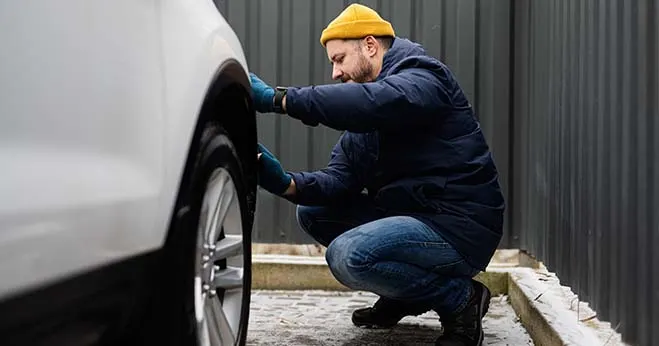
A simple tyre safety check at home can make you road safe. Your tyres are in contact with the ground allowing your car to reach a stop, turn, and drive straight. If they are not in good condition, you may not be able to drive, especially during rainy days or on bad roads. We encounter numerous drivers at Patel Auto Service Centre who do not bother checking these simple things and find themselves in trouble. This guide teaches you to do it yourself, by simple steps that any person can follow.
Our service centre aims to give quality car care at reasonable costs. We are capable of doing general repairs, safety, and tyre services. However, you can begin at home to identify problems at an early stage. Why these checks are important, then, let us get into it.
The Reason You Need to Check Your Tyres
Tyres are worn out due to driving, heat, and road conditions. Consistent inspections are used to detect minor issues before they become large. Indicatively, when the pressure is low, your car will use more fuel and the tyres will wear out. The roads in Australia are hot and dry, and thus tyres crack unless they are taken care of.
Think about your daily drive. It becomes difficult to pull over in the case of unsound tyres. An accident can be avoided by a simple tyre safety test taken at home in a matter of minutes. Do monthly or before lengthy journeys. This practice will ensure that your family is safe and help you save money by repairing.
Most drivers do not take action until something bad happens, such as shaking of the steering wheel. Within this time, there may be damage in place. Take simple measures to remain at the top. This is advised by our professionals in Patel Auto Service Centre to all vehicles, whether small sedans or luxury vehicles.
What You Need for a Home Tyre Check
All you need is a simple tyre safety check, which does not require any fancy tools. Keep these things at home or a local store:
- A tyre pressure gauge: This is a small gadget that measures the air pressure in your tyres. Get a simple one for accuracy.
- A twenty-cent coin: This is used to perform a quick tread test, which is used frequently in Australia.
- Torch: Assists in illuminating the dark areas beneath the car.
- Gloves: Do not leave your hands dirty and greasy.
- The manual for your car indicates the correct amount of pressure you should put in your tyres.
With these, you’re set. When parking the car, it is best to park it on flat ground and allow the tyres to cool. Real readings are provided by cold tyres.
Simple Visible Guide to Visual Inspection
Begin by giving close attention to the tyres. You should have a look around the car and examine all four, and the spare, assuming you can access it. Look for anything odd.
First, check the sidewall. This would be the side portion of this tyre. Check whether there are cracks, bumps, or cuts. Bulges indicate that the tyre may be defective internally and can burst during the process of driving. Cracks are either caused by age or the sun.
Then have a look at the tread area, the point at which the tyre is touching the road. Make sure it’s even. Uneven wear might mean your wheels need alignment. Turn the steering wheel to have a better view of the front tyres.
In addition, examine objects that are stuck, such as nails or stones. Draw them up, in case of safety, but beware of leakage of air. One of the simplest tyre inspections, such as this identifies hazards at initial stages.
To learn more about the importance of ensuring your tyre pressure is correct in order to avoid such problems and save some money, see our guide on under pressure: why tyre pressure could save you hundreds and save lives.
The Right Way to Measure Tyre Pressure
The pressure of the tyres influences the handling of your car. Too soft and tyres will drag, thus steering is difficult. Excessively high and they will jump too much.
Locate the correct pressure in your car door post. Most cars are between 30 and 35 PSI, although some are under 30 PSI.
Take off the valve cap of the tyre. Use the gauge and press it on the valve. Read the number. Check the level of air, which is low, by adding air at a petrol station. Do this for all tyres.
Note here, pressure is temperature dependent. Check when tyres are cold such as in the morning. Blowouts on highways may occur due to low pressure.
At Patel Auto Service Centre, we do this accurately using the right tools when checking the safety and tyres. Doing it at home however maintains the order between visits.
Simple Ways to Test Tread Depth
The aspect of grip is important in tread depth particularly on the wet roads. The legal minimum in Australia is 1.5mm. Less so and you may get fined.
Use the 20-cent coin test. Input the coin in the tread groove with the platypus downside up. When you see the platypus bill, you are under 1.5mm. Time for new tyres.
Test several points on both tyres and wear does not always occur uniformly. The grooves between the middle are the most significant.
One can also use a tread depth gauge to get precise measures. At least 3mm is desirable to be on the safer side during rainy seasons.
This is a test included in any proper tyre safety test. It only takes seconds, yet it gives you much about the health of tyres.
Signs That Mean You Need New Tyres
Even with checks, tyres age. Watch for these warnings:
- Below 1.5mm: Legal, however, change earlier to be on the side.
- Vibrations during driving: This may be balance problems or harm.
- Pulling to one side: This could be alignment, or a flat tyre.
If you see these, don’t wait. Braking and handling are enhanced by new tyres.
When to Get Help from Experts
Home checks are wonderful, but there are more, viewed by pros. In the event of a break or in case you are not sure, take your car to the shop.
We include complete safety and tyre inspection at Patel Auto Service Centre. We have tools that we use to balance and align wheels.
In case of electrical or cooling problems, we do those also. Book a visit for peace of mind.
Don’t risk it if tyres look bad. Good tyres form the basis of safe driving.
Safe Driving Starts with Good Tyres
A simple tyre test in the backyard is an intelligent method of remaining safe. It includes pressure, tread, and damage in an easy manner. This frequent practice makes you aware of things early enough and makes you confident about your driving.
Relate it to real-life situations: Safe tyres translate to improved stopping, reduced fuel consumption and reduced breakdowns.
If you need help, come to Patel Auto Service Centre. Our car care services include quality maintenance of every requirement of the car, including oil services. Get a free check or advice by calling us today. Drive safe!
FAQs
- Why then do you have to check your tyres?
Tyres influence grip, halting, and control, frequent inspections identify the problems at the beginning of the development of accidents and save money.
- The tools required to perform a basic home tyre check?
One would have a tyre pressure gauge, a 20-cent coin to check the depth of the treads, a torch to inspect, and a pair of gloves, they are basic things that most drivers carry.
- What is the correct way of measuring tyre pressure?
Test when the tyres are cold (in the morning), go through the valve gauge, compare it with the door sticker PSI and inflate when it is low.
- How is the test of depth of tread in the case of a 20-cent coin?
Bet platypus down with a coin, when you can see the bill the tread should be less than 1.5mm, Australian legal minimum.
- What are the primary indications of new tyres?
Less than 1.5mm, cracks / bulges in sidewalls, vibrations, pulling to one side, or tyres more than 5 years old.



Leave A Comment